

Summary
- New handheld laser beam welding (HLBW) guidance backed by IIW, EWF and EWA.
- Purpose: general recommendations for safety, education, qualification, and metallurgy.
- Guideline is meant to evolve as the process spreads; first release dated July 2025.
The IIW, EWF and EWA have released a shared guideline on handheld laser beam welding. It sets out broad, practical advice for running HLBW safely, training people, qualifying welders and procedures, and reviewing metallurgy across common joints and materials. The aim is to give shops a clear, vendor-neutral baseline, not a sales pitch.
The document frames HLBW as a growing, relatively new process in our community and stresses safe use across different joints and alloys. It is positioned as a living guideline that will be updated as new risks and best practices appear. For teams planning adoption, this is a single place to start building their internal rules and checklists.
 European Welding Association ( EWA)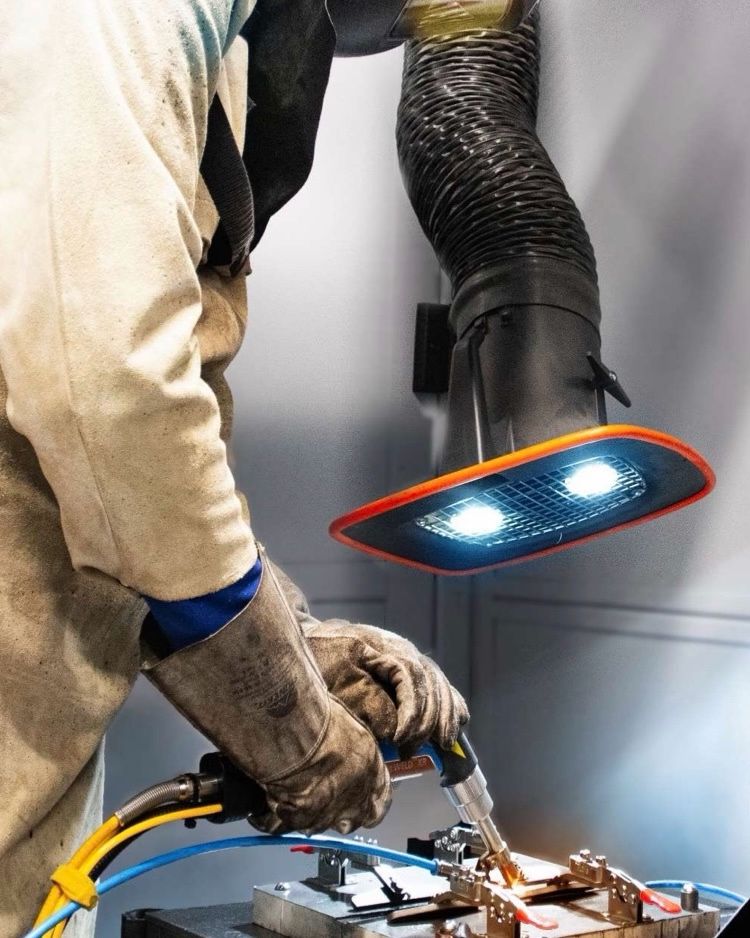
What’s inside? A full table of contents covering safety requirements, eye and reflection hazards, equipment safety features, organizational controls, welding fumes, personnel roles, LSO and welder qualification, weld quality, heat input and distortion, and weldability by material families. It’s broad on purpose, so readers can map sections to their own shop context.
Source:

Discussion