

Summary
- EPRI, SRP, and Lincoln Electric Additive Solutions built and installed a convergently manufactured hydropower wicket gate using wire-arc DED.
- The project targeted a real supply problem: SRP waited 30 months for cast CF3M wicket gates.
- Early results showed strong test performance, fewer internal defects than accepted cast parts, and a much shorter delivery path.
EPRI’s new hydropower case study shows a practical use of large-area metal additive manufacturing for welding-heavy industries. In a first-of-its-kind RD&D project, EPRI worked with Salt River Project (SRP) and Lincoln Electric Additive Solutions (LEAS) to design, build, inspect, and install a wicket gate using a convergent method: conventional metal stock plus 3D-printed features made with wire-arc DED.
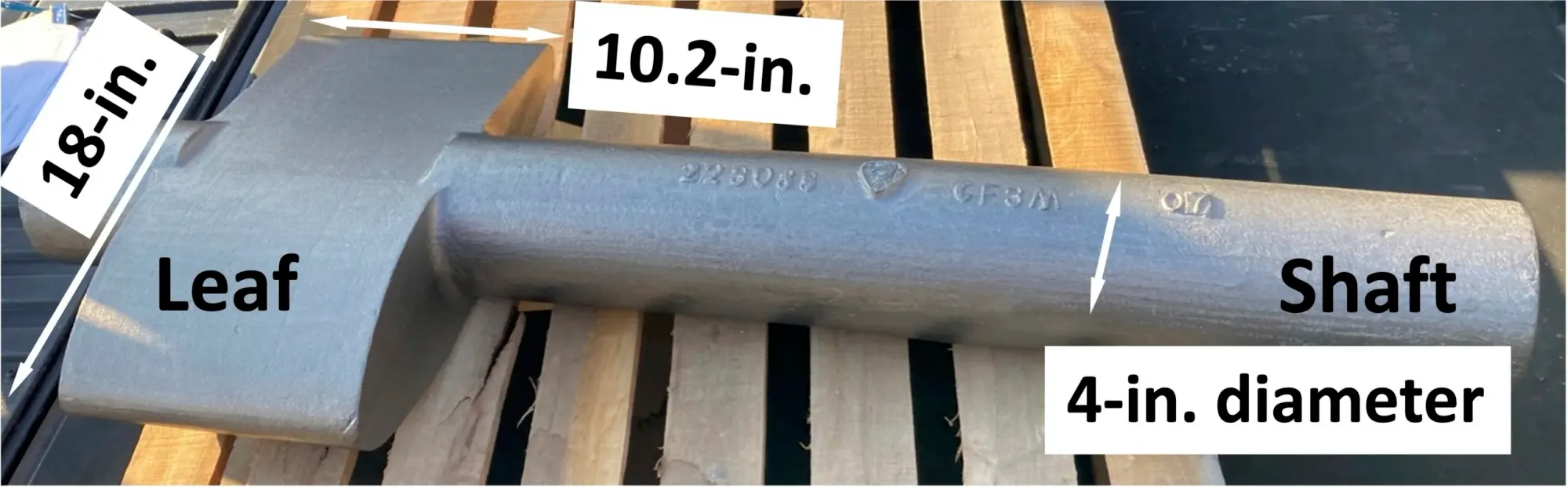
The problem was simple and familiar to many repair teams: old infrastructure, hard-to-find parts, and very long lead times. The article says the U.S. hydropower fleet includes more than 2,200 plants with an average age of 65 years, and SRP needed CF3M stainless wicket gates that took 30 months to source as castings. EPRI and its partners used that bottleneck as a real production test for additive manufacturing.
Instead of printing the whole part, the team chose a convergent build strategy and printed the wicket gate “leaf” onto a 316L forged bar, which cut wire use by about 50%. The trial produced two parts, each using about 250 lb of wire and about 2.5 days of print time, followed by machining and strict inspections. The article reports tensile results above ASTM CF3M minimums, no major cracking, and fewer internal defects than accepted cast parts. One AM wicket gate was installed during SRP’s 2025 outage and will be monitored in service.
Source:
 John Shingledecker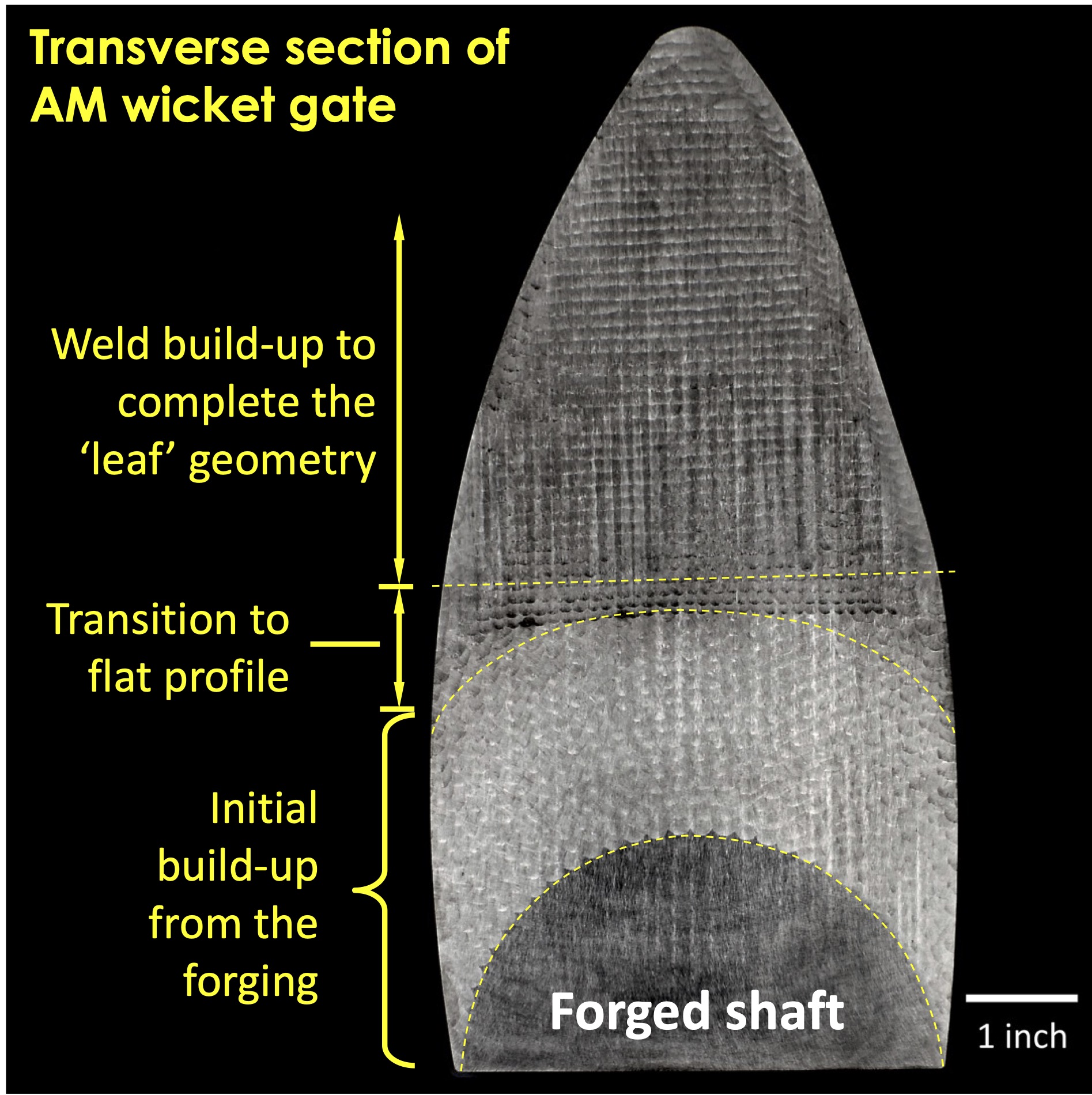
Discussion