

Summary
- Researchers are successfully testing 3D printing with moon dust (regolith) for future lunar bases.
- New thermal cameras are solving old problems like cracking in hard alloys by strictly controlling cooling rates.
- The industry is moving toward "Open Source Weld Data" to standardize how we track and improve weld quality.
The welding world is currently seeing some truly sci-fi concepts become reality, and it is a clear signal that our profession is evolving fast. Recent 2025 research has pushed the boundaries of what is possible, testing everything from "lunar regolith" (moon dust) as a printing material to advanced Wire-Arc Additive Manufacturing (WAAM) integration. One standout study from the Technical University of Denmark used specialized thermal cameras to prove that we could one day build structures on the moon using local materials.
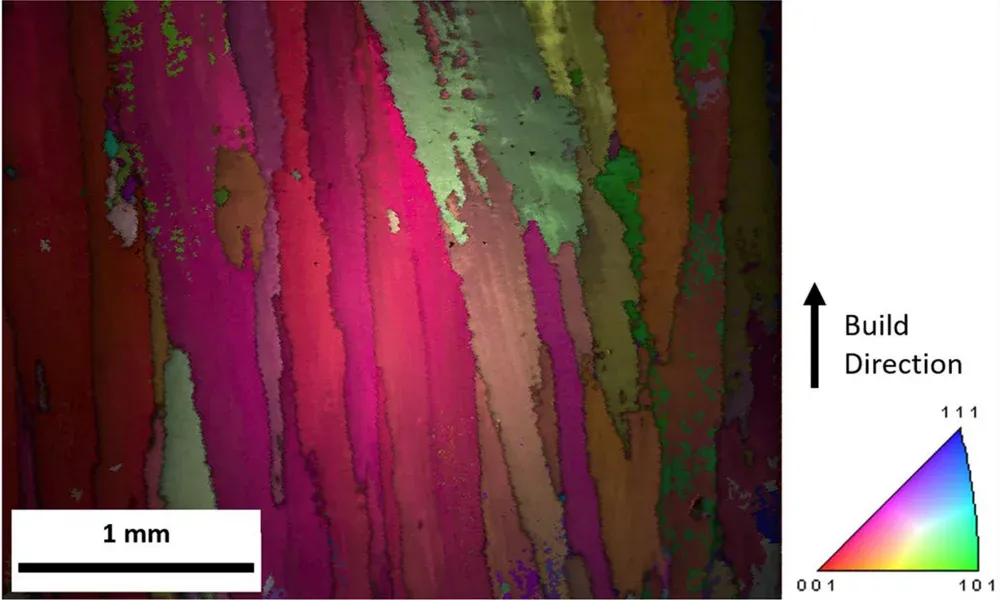
On the more practical side, this year's data highlights how critical "smart" tools have become for checking quality. We are seeing major leaps in processing high-performance superalloys like Haynes 282 and Stellite 6, where precise temperature control is the only way to prevent cracks. By using Short-Wave Infrared (SWIR) cameras to monitor cooling rates, engineers can now automate the detection of defects like "lack of fusion" before the part is even finished.
Source:
 Xiris Automation Inc.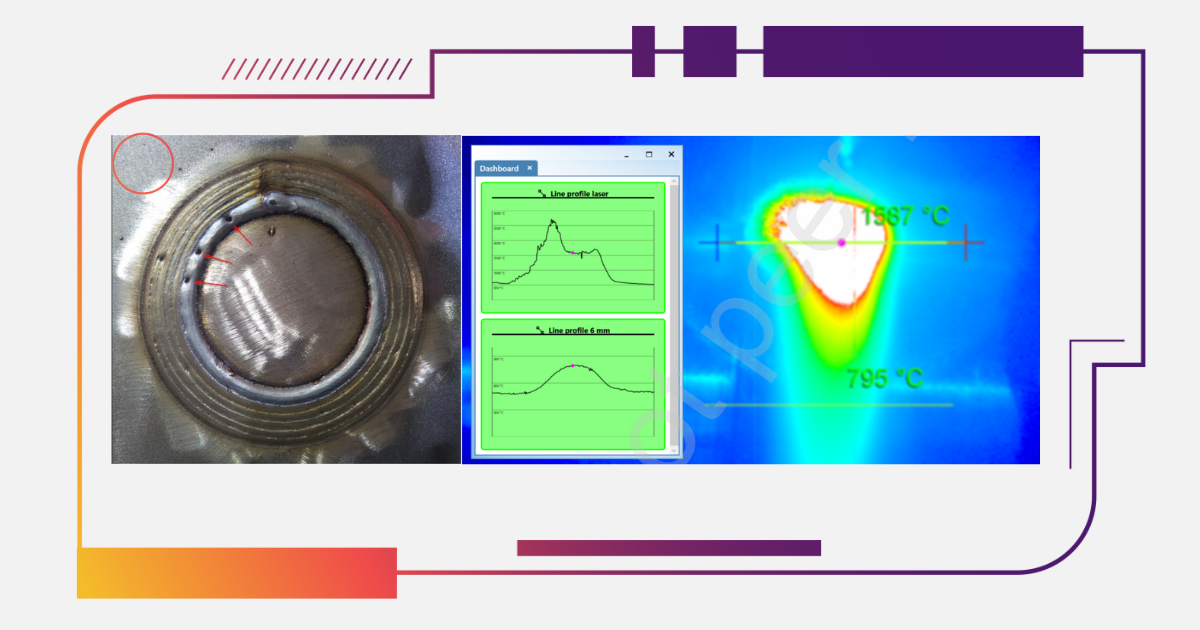
Discussion